
The Next 68 Years
Starting 15 April 2021
Updates restarted April 2026
For Willow, Lana and Finlay.
“There will be more innovations in the next twenty years than in the whole of the last fifty.”
Self-improvement and self-interest are at the heart of much innovation.
This is a collection of ideas, observations and possibilities about the next 68 years. Some may become everyday reality. Some may not. But each of them gives us something to think about.
The question is: which technologies really excite you?
Artificial Intelligence
At its simplest, artificial intelligence can manipulate huge volumes of data using extremely powerful computers.
At the next level, it can search through information from millions of websites and arrange it in a clear and elegant way.
It can also search data, identify trends and attempt to forecast future values, although forecasting is always uncertain.
Specialist AI software is already being used for tasks such as generating computer code, analysing information and supporting creative work. If this becomes more generalised, the impact could be enormous.
Energy and Power
Small modular reactors and micro nuclear reactors are expected to develop further during the 2030s.
There is also work taking place on nuclear fusion, hydrogen power, green ammonia for shipping, domestic solar panels, flexible solar materials, domestic wind generation and methane from sewage.
The future of energy may involve a mixture of nuclear, solar, wind, hydrogen and other technologies that are still being developed.
Geoengineering and Climate
Several companies and research groups are exploring whether it may be possible to cool the surface of the planet through geoengineering.
Ideas include artificial dust clouds or reflecting sunlight back into space.
These ideas are controversial, and there are many risks and unknowns, but they show how seriously some people are thinking about climate and weather change.
Transport
There are many possible changes ahead in transport.
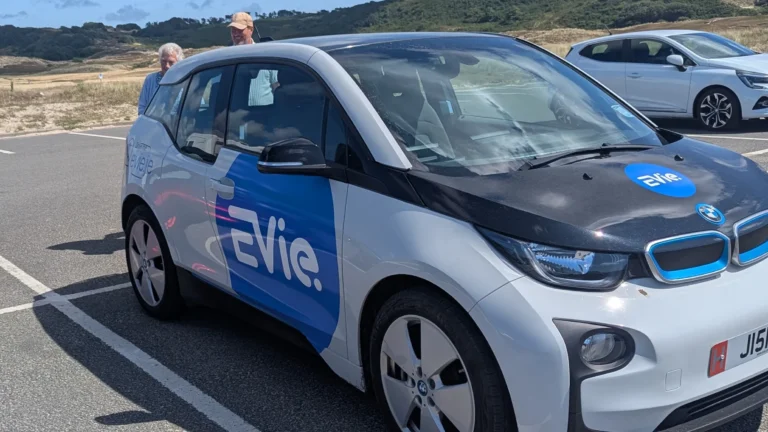
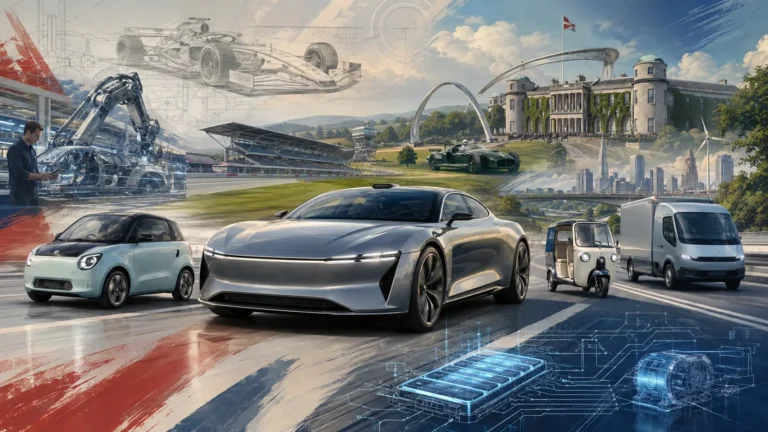
These include electric vehicles, flying cars, flying taxis, flying coaches, autonomous vehicles, electric aircraft, hyperloop trains and improved battery technology.
Some companies are also developing vehicles that can be recharged far more quickly than current electric cars.
Robotics and Drones
Robots are already being used for cleaning floors, cutting grass, assisting in care homes, working in warehouses and manufacturing cars.
In future, they may be used more widely for fire fighting, deliveries, farming, security and even designing new robots.
Drones are also developing rapidly. They may be used for surveillance, border control, fisheries protection, tree planting, parcel delivery and military purposes.
Bionic Enhancement
Bionic technology may become increasingly important.
Possible developments include bionic eyes, bionic arms, brain implants, exoskeletons and closer integration between the brain and digital devices.
This could make a major difference to people with disabilities, injuries or age-related physical limitations.
Agriculture and Food
Food production is changing quickly.
Possible developments include vertical farms, new plant-based foods, algae, insects, Quorn, tofu, genetic editing, disease-resistant crops and fish oil made from plants.
Greenhouses in Holland and Kent already show how food output can be dramatically increased using controlled growing environments.
Agriculture may become more technological, more precise and less dependent on traditional field farming.
Reversing Damage to Nature
There are many projects aimed at restoring nature.
These include planting trees, reintroducing beavers, restoring bison, protecting sea eagles and encouraging more flowering trees.
Nature recovery may become one of the great challenges and opportunities of the next few decades.
Communications and Connectivity
5G and satellite networks may transform communication.
They could support autonomous vehicles, drones, remote working, the Internet of Things and faster internet access in places that are currently difficult to reach.
Better communications may also change how we learn, work, travel and care for one another.
Virtual and Augmented Reality
Virtual reality may be used for fire-fighting training, conferences, education, garden and house design, estate agency and travel marketing.
Augmented reality may be used in medicine, military operations, training, navigation and everyday information displays.
Devices such as smart glasses could become far more useful, especially for people with sight loss or other needs.
Diet and Health
Diet in the UK may continue to change.
There may be less meat, less sugar, more alternative proteins, more fish and shellfish, and new forms of food designed for health or sustainability.
There may also be new drugs and treatments for obesity, infection, trauma, sight loss and other health problems.
Medicine and Pharmaceuticals
Medical innovation is likely to be one of the most important areas of the future.
New drugs, new vaccines, new antibiotics, stem cell treatments, gene editing, medical sensors and preventative medicine could all become more important.
AI may help with diagnosis, drug discovery, drug repurposing and identifying people at risk of specific illnesses.
Small cameras, wearable devices and better data analysis could help doctors identify problems earlier.
Quantum Computing
Quantum computing could become far more powerful than today’s computers.
Instead of using only 0s and 1s, quantum computers use qubits, which can represent more complex states.
If this technology develops successfully, it could transform fields such as drug discovery, materials science, encryption, weather forecasting and artificial intelligence.
Space
Space may become a much busier place.
Possible developments include new space stations, space manufacturing, military satellites, space debris clearance, spaceports in the UK, robot mining and even solar power generated in space and sent back to Earth.
Companies such as SpaceX are already preparing for future journeys to Mars.
The Seabed
The seabed may become more important for mining, kelp forests, marine biology and environmental protection.
At the same time, there are concerns about plastics, rubbish, damaged coral and the impact of scraping the seabed.
The oceans may hold great opportunities, but they also need careful protection.
New Materials
New materials could change many industries.
Graphene, solid tyres, phages and other innovations may be used in transport, medicine, construction and manufacturing.
Some of the most important future inventions may come from materials that are stronger, lighter, more flexible or more sustainable than anything we use today.
Housing and Construction
Housing and construction may also change.
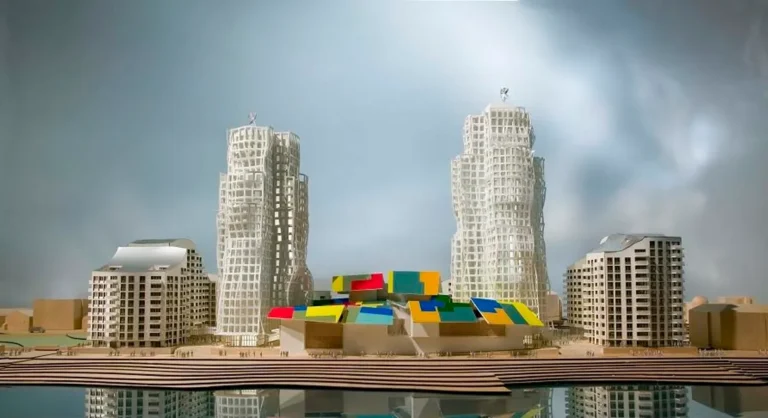
There may be more factory-built homes, new insulation standards, new fire regulations, new infrastructure, new bridges, new tunnels and new methods of building.
The challenge will be to provide enough good-quality housing while also improving safety, efficiency and sustainability.
Economics and Inequality
Innovation creates opportunities, but it can also increase inequality.
The future economy will need to balance new technology, job creation, taxation, national debt, public services, infrastructure, housing, farming, fishing, manufacturing and services.
The question is not only what we can invent, but who benefits from it.
Personal Data
Personal data is already extremely valuable.
It is used for advertising, diagnostics, medical records, personalised news, product development and online services.
In future, there will be even bigger questions about privacy, ownership, security and how personal data is collected, used and sold.
Art, Music, Fashion, Drama, Leisure and Sport
Innovation will not only be about engineering and science.
Art, music, fashion, drama, sport, architecture, advertising, brewing, film and leisure may all be changed by new technology.
The creative industries may use artificial intelligence, virtual reality, new materials and new ways of reaching audiences.
What Changed in the Last 68 Years?
To imagine the future, it helps to remember the past.
In the last 68 years we have seen huge changes, including:
- home bathrooms and toilet paper becoming normal
- paperback books and biros
- millions of cars and lorries
- motorways
- aircraft and Mediterranean holidays
- computers
- mobile phones and smartphones
- video conferencing
- central heating
- LED lighting
- the internet
- online shopping
- online banking
- online learning
- radio, television, records, tapes, CDs and DVDs
- irons, washing machines, fridges, freezers, hoovers and dishwashers
- stainless steel
- antibiotics, vaccines and keyhole surgery
- cash machines
- GPS
- electronic calculators
- accurate weather forecasting
- electric cars and buses
- solar panels and wind farms
- artificial intelligence
- major reductions in starvation
- huge changes in communication, medicine, travel and daily life
So, what might the next 68 years bring?
That is for Willow, Lana, Finlay — and the rest of us — to discover.