Regenerating City, Town and Village Centres
I have appended today’s report from Gemini on cars and road usage over the next fifty years.
I believe we should get a head start by recognising that there is likely to be a major shift towards autonomous vehicles. If this happens, it could transform the way we use our roads, town centres and car parks.
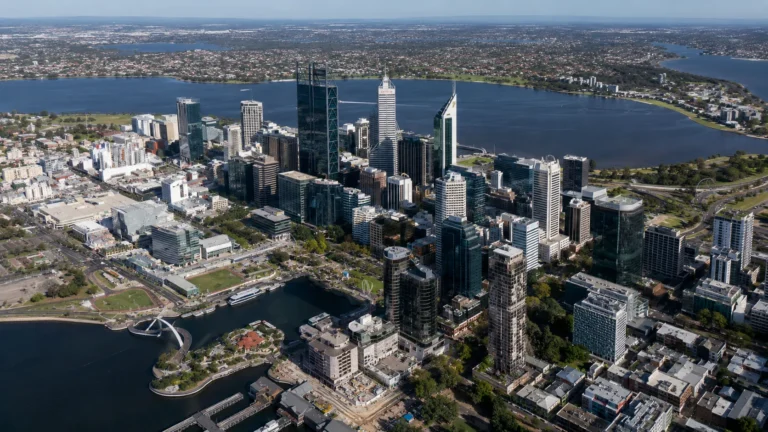
At present, many city, town and village centres have large areas of land set aside for parking. If autonomous vehicles, shared transport and transport-as-a-service become more common, much of this car park land may eventually become redundant.
The question is: what should happen to that land?
My view is that we should begin planning now, so that this land can be protected and reallocated for the benefit of the local community.
The main drivers of change
Several factors may hasten this shift:
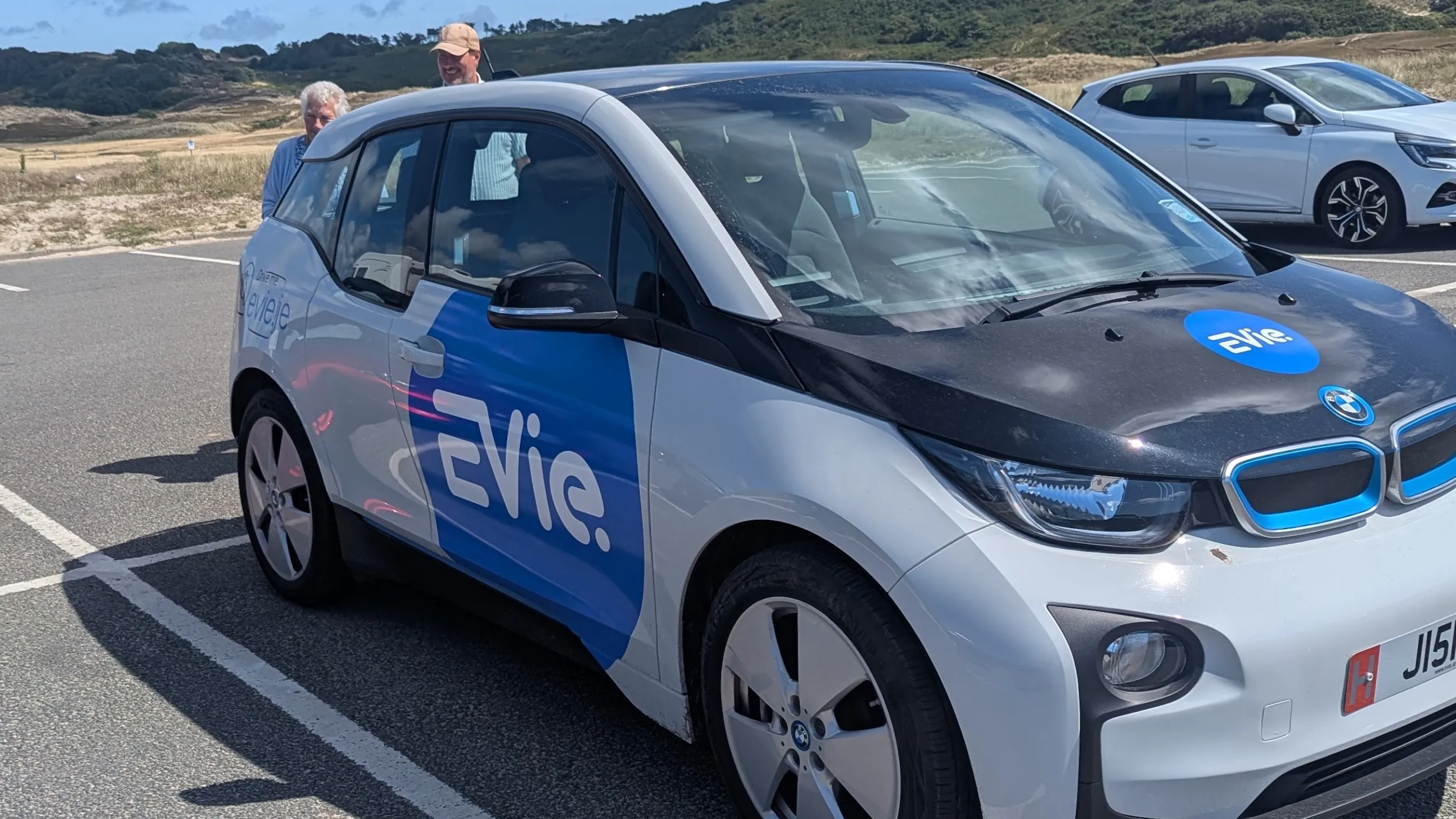
- the growing use of electric vehicles
- the development of autonomous vehicles
- lower electricity costs through small modular nuclear reactors and other energy sources
- better use of wind and solar power close to where it is produced
- nuclear fission as part of the wider electricity supply
- new approaches to road pricing, congestion and accident costs
- the need to reduce road blockages and wider losses to the community
- the wider move away from private car ownership in some places
If these changes happen together, they could reduce the need for traditional parking spaces, especially in town centres.
A chance to use land better
Car parks are often large, flat, well-located pieces of land.
If they are no longer needed in the same way, we should not simply allow them to be sold off to the highest bidder.
Instead, the land should be protected and placed into the hands of Community Land Trusts.
These trusts could be run by local volunteers, with proper oversight, to make sure the land is used in ways that local people actually want.
Depending on the needs of each place, this could include:
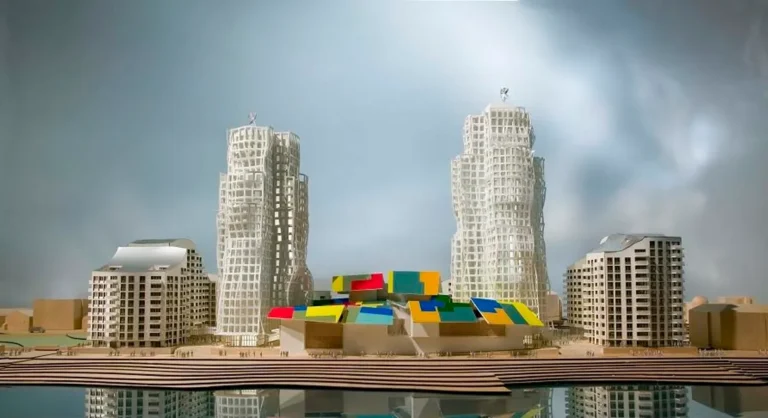
- affordable housing
- small business units
- community gardens
- public squares
- health and wellbeing spaces
- workshops and studios
- local food-growing areas
- green spaces
- recreational facilities
- mixed residential and commercial use
The important point is that the land should serve the community, rather than simply disappear into private ownership.
The future of cars and road usage
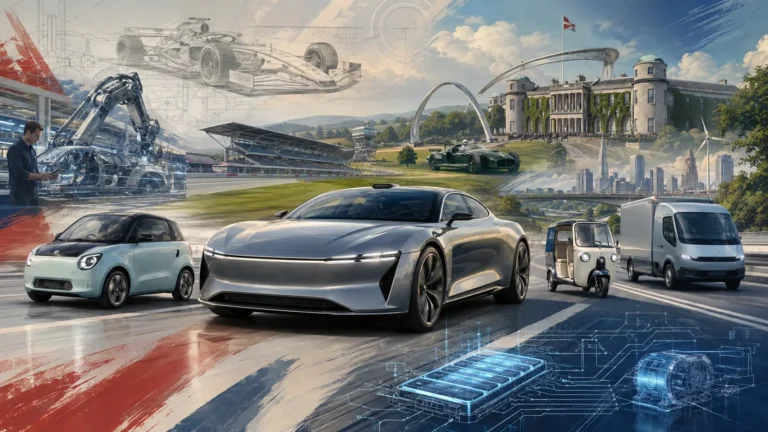
Over the next fifty years, the way humans and cargo move around the world could change fundamentally.
Cars may become less like privately driven machines and more like mobile living spaces, connected to intelligent, zero-emission transport networks.
Propulsion and energy
Electric vehicles are likely to dominate many markets within the next two decades.
Hydrogen fuel cells may be used for heavy-duty long-haul transport and commercial fleets.
Solid-state batteries may eventually offer far greater range and much faster charging.
Vehicle-to-grid technology could allow parked vehicles to supply electricity back to homes and the grid during periods of peak demand.
Autonomy and safety
Fully autonomous vehicles may eventually remove the need for human drivers.
Machine learning and vehicle-to-everything communication could greatly reduce road accidents and traffic fatalities.
Car interiors may also change, becoming mobile offices, entertainment spaces or even sleeping pods.
Traditional driving licences may become less important if more vehicles are controlled by automated systems, although new safety and monitoring systems would still be needed.
Ownership and infrastructure
Private car ownership may fall in cities, especially if autonomous robotaxi fleets become cheaper and more convenient.
Roads may become smarter, with wireless charging lanes, AI-managed tolls and dynamic pricing to reduce congestion.
Parking lots and garages could be repurposed into parks, housing, community facilities and public spaces.
The spatial dimension
Transport may also become more three-dimensional.
Electric vertical take-off and landing aircraft could provide premium urban travel.
High-speed autonomous road corridors could connect distant cities.
Underground logistics systems may move freight beneath the surface, leaving streets safer and more pleasant for pedestrians.
Planning ahead
The key point is that we should not wait until these changes have already happened.
If car parks and other road-related land become less important, local communities should be ready.
We should identify the land now, protect it where possible, and begin thinking seriously about how it could help regenerate our city, town and village centres.
This could be one of the great opportunities of the next fifty years: not just changing how we travel, but improving the places where we live.